
Today is World Occupational Therapy Day 2024, and I’m spending the weekend in London with my husband. This year’s theme, “Occupational Therapy for All,” resonates with me on both a personal and professional level, especially as I navigate the city as a wheelchair user. The focus on inclusion and access for everyone reflects the challenges and opportunities that our profession faces daily, and it highlights the importance of ensuring meaningful participation for all, regardless of ability.
The Theme:
‘Occupational Therapy for All’ encapsulates the essence of our profession: ensuring that everyone, regardless of age, ability, or background, can engage in the activities that bring them joy and purpose. As a disabled occupational therapist, this theme is personal; I understand the barriers that prevent people from full participation, both from my own experiences and through the lives of those I work with. This weekend in London has brought that reality into focus.
Navigating London: Accessibility Challenges
The journey began with the train from Northallerton to King’s Cross. Although passenger assistance went smoothly and staff ensured I could board and disembark safely, the reliance on others and the unpredictability of the process can be anxiety-inducing. The mental load of having to plan, confirm, and anticipate every step adds stress to what should be straightforward travel.
Navigating a busy city like London adds an extra layer of pressure to every activity. It requires staying one step ahead to ensure all access needs are met, double-checking accessibility features, confirming assistance, and having backup plans. This balancing act can feel like an obstacle course, making it difficult to engage freely in what should be meaningful and enjoyable experiences.
Accessible Adventures:
We visited the Natural History Museum. I was pleased to find that accessibility information was easy to locate on their website, which allowed us to plan our visit without any added hassle. Unfortunately, this level of clarity is not standard across all public venues. Clear and reliable information about accessibility remains inconsistent, often making it more challenging to access public spaces confidently and equitably.
The highlight of our trip was attending a 40th-anniversary screening of Ghostbusters at the Royal Albert Hall. While the event was fantastic, securing accessible tickets reminded me how much work is still needed for equal access. I had to contact the venue in advance to confirm accessible seating, and like many venues, the Royal Albert Hall only allows one companion in the accessible seating area. Each venue seems to have a different policy for qualifying for a companion ticket, which can be confusing. Some venues accept national schemes like the Access Card, while others require direct proof of disability. This often results in venues holding personal information, which feels uncomfortable, and the variation between venues adds stress when booking tickets for anticipated events.

Black Cabs and Hotel Accessibility
In London, most black cabs have built-in ramps, making them a convenient option for wheelchair users. However, the taxi we booked had a ramp that didn’t work, leaving us stranded. This unpredictability reflects the ongoing challenges wheelchair users face when accessing supposedly accessible services.
Finding an accessible hotel room that truly met my needs was another challenge. Accessibility information on booking websites is often vague or inconsistent. While the room itself was suitable, the bathroom handrails wouldn’t fold down—likely due to rust from water exposure—making an otherwise accessible bathroom difficult to use safely.
Experiences like this raise an important question: What more could be done to improve accessibility in public and private services?
What Occupational Therapy Can Do to Enhance Accessibility
These experiences highlight areas where occupational therapists can advocate for change. The theme “Occupational Therapy for All” calls on us to think beyond clinical settings and address accessibility in all environments, including cultural and social spaces.
- Consistency in Accessibility Policies: Encouraging venues to adopt standardised policies and be transparent about their accessibility features would make it easier for people with disabilities to access events without added stress.
- Maintenance and Regular Checks: Public and private services, from taxis to hotel rooms, should prioritise maintenance on accessible features like ramps and bathroom handrails to ensure these tools function reliably.
- Clearer Information on Accessibility: Venues and hotels should provide detailed accessibility information on websites so that people with disabilities can confidently make bookings that meet their needs.
- Creating Feedback Channels: Establishing feedback systems for users to report accessibility issues could improve the services and make future experiences more seamless for others.
A Special World OT Day Celebration at Battersea Power Station
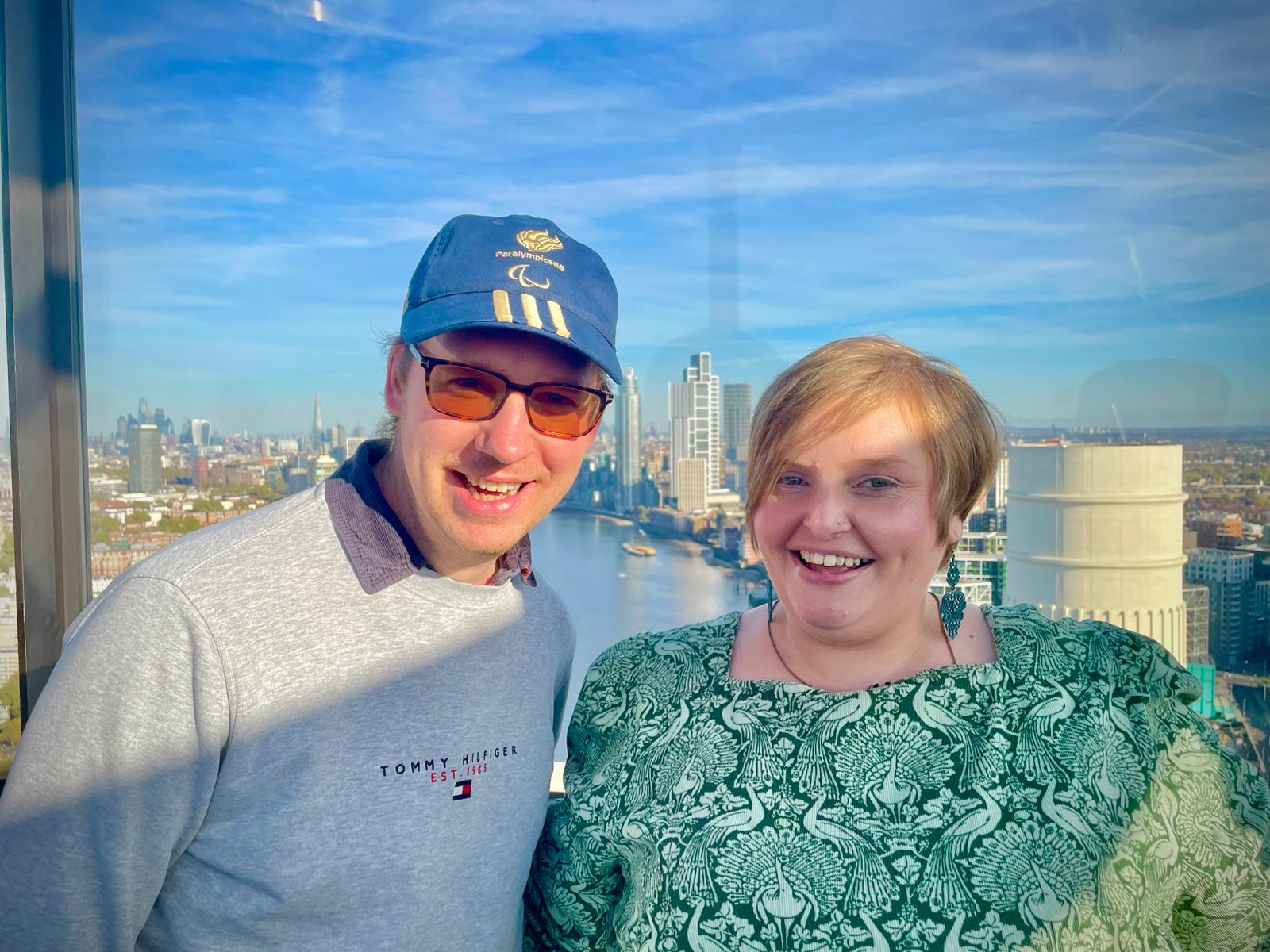
Today, I celebrated World OT Day by travelling to meet Andy, a fellow occupational therapist and AbleOTUK member, at Battersea Power Station. The station, which was transformed a few years ago into a shopping, dining, and leisure destination, has retained its historic charm while seamlessly integrating modern accessibility features. Even the interactive map includes an option to view accessible routes, making it easier to navigate the venue.
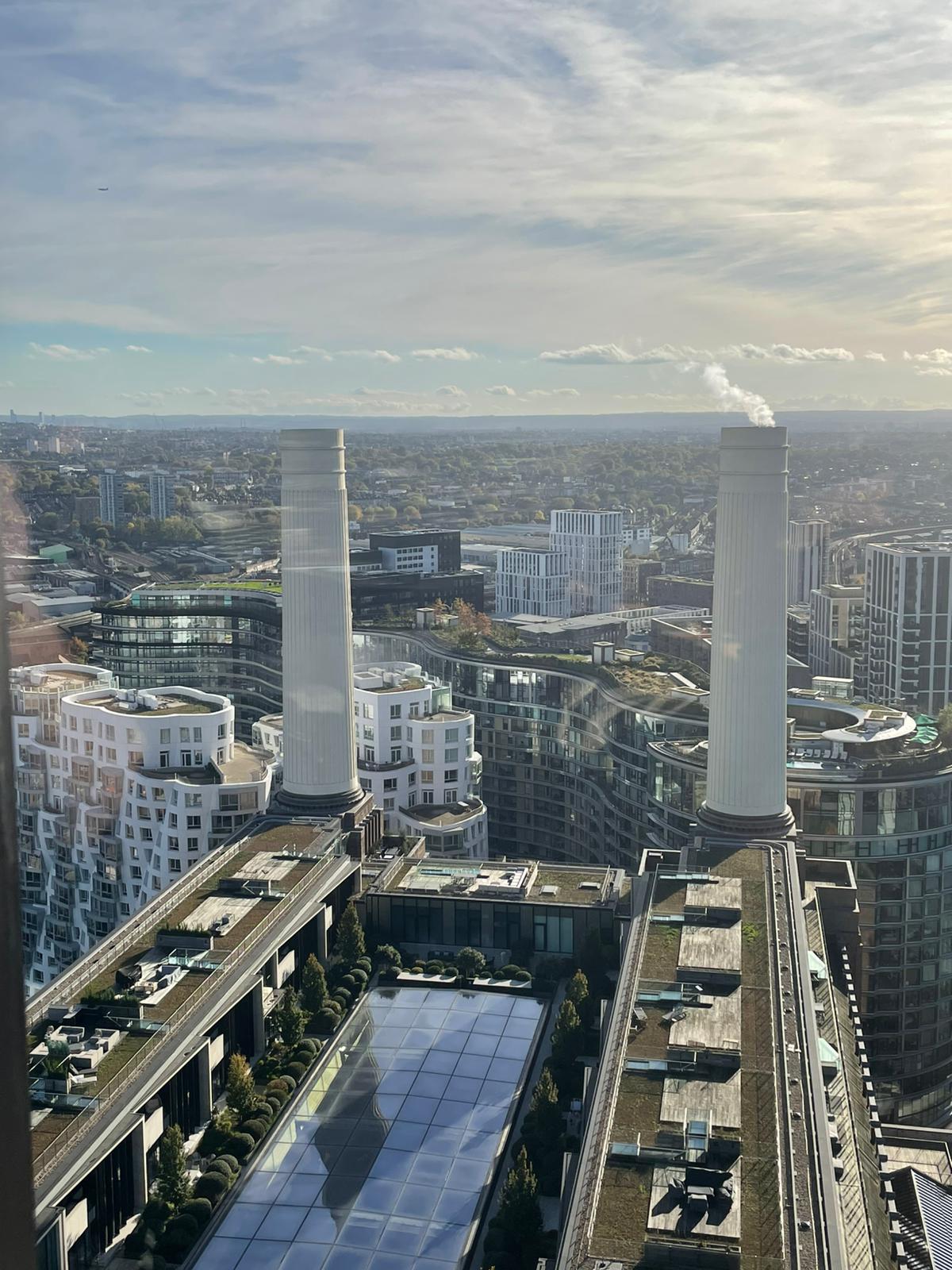
A particular highlight was the 360° lift, which offers breathtaking panoramic views of London—a unique way to experience the city’s history and architecture. The website helpfully explained that while access to the main lift was wheelchair-friendly, the space in the tower’s top area has limited turning space. It provided measurements and instructions so wheelchair users could make an informed decision on whether their needs would be accommodated. When we arrived, the staff were knowledgeable and accommodating, ensuring the experience was smooth and enjoyable. The views from the top were spectacular and well worth the trip up!
Spending the day with Andy in such a thoughtfully designed space reinforced the importance of accessibility in public venues. Ensuring people of all abilities can fully participate in these experiences is central to occupational therapy’s mission. Today’s journey was powerful reminder of the impact that accessible design can have on our daily lives.

A Call to Action for “Occupational Therapy for All”
This weekend has been a powerful reminder of how much we, as occupational therapists, need to do to achieve “Occupational Therapy for All.” The theme is more than a slogan; it’s a call to work towards a future where everyone can participate in the occupations that bring them meaning, without barriers.
Whether it’s helping patients regain independence or advocating for accessible public spaces, occupational therapists play a vital role in promoting a world where all people, regardless of ability, can engage fully in the activities that bring them joy and connection. This World OT Day, let’s commit to fostering accessibility and inclusivity in all aspects of life.
So, as I spend this weekend in London with my husband, visiting the Natural History Museum, enjoying time at the Royal Albert Hall, and experiencing the 360° lift at Battersea Power Station—I’m reminded of how occupational therapy touches every part of my life. It’s a profession that enables participation, not only in the clinic but in every corner of our communities. Let’s keep striving for a world where Occupational Therapy for All is truly a reality.
Leave a Reply